Services
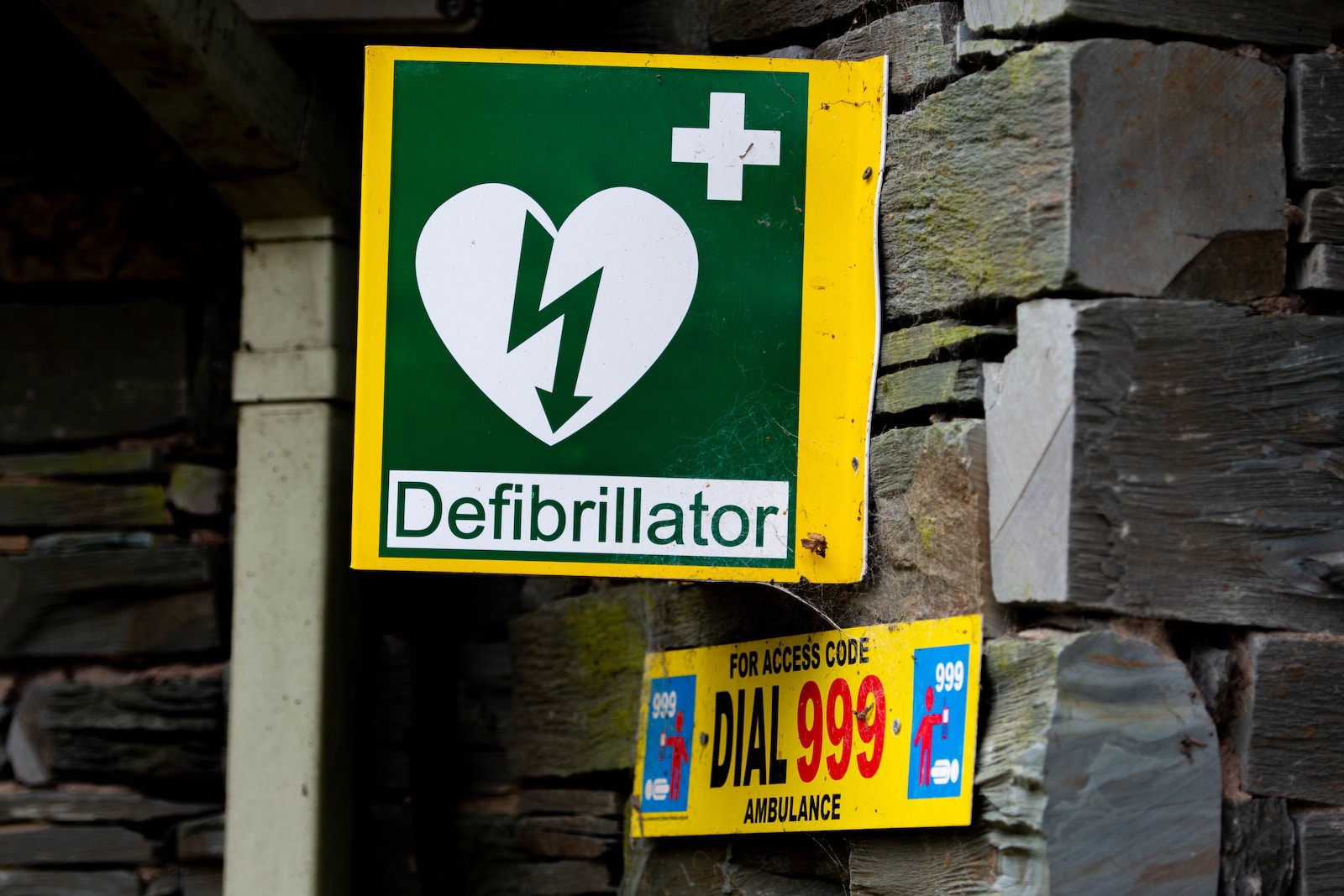
Defibrillators
Location of defibrillation units
Defibrillator Map
Locations of defibrillators
This map shows the locations of defibrillator units within the council area to help residents understand their distribution. It also shows locations submitted by other local councils to build up a national map.
Please note, this map is not definitive and may contain errors. It should not be used for emergency purposes.
In case of emergency, dial 999.
When a person has a sudden cardiac arrest (SCA), the normal rhythm becomes disrupted and disorganised, which means their heart can’t beat properly and they won’t be able to breathe normally.
For every minute someone is in cardiac arrest without receiving CPR and having a defibrillator used, their chances of survival decrease by 10%. That’s why it’s so important to act immediately.
A defibrillator gives a jolt of energy to the heart, which can help restore the heart’s rhythm, and get it beating normally again. A defibrillator is easy to use and doesn’t require training, but it could make the difference between life and death.
They are also called a defib, an AED (Automated External Defibrillator) or a PAD (Public Access Defibrillator).
PADs are designed to be used by the public. When you switch the defibrillator on, it will provide clear instructions and talk you through what you need to do.
A defibrillator will not harm the person suffering a cardiac arrest and will only give them a shock if and when it is needed. There’s no reason to feel nervous about using a defibrillator – follow its simple instructions, and know that it could save someone’s life.
PAD locations in the Parish
There are four PADs around the parish, for use in an emergency and are located as follows:
At the entrance to Cliff Cleaver Pavilion , Stonehouse Close
Saving lives with CPR
If you see someone collapsed and not breathing normally, you need to act fast so they can have the best chance of survival.
Video © Resuscitation Council (UK)
4 steps to take if someone has a cardiac arrest
Cardiac arrests can happen to anyone, at any time. The following steps give someone the best chance of survival. If you come across someone in cardiac arrest:
- Call 999
- Start CPR
- Ask someone to bring a defibrillator if there’s one nearby
- Turn on the defibrillator and follow its instructions